Liver
Disease Treatment

WHAT IS LIVER DISEASE?
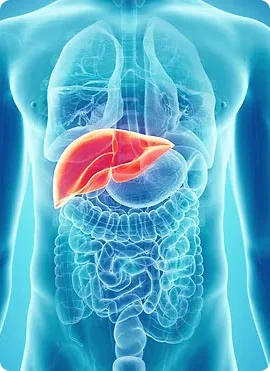
The liver plays a vital role in breaking down meals and filtering harmful substances from the body. Disorders of the liver may be passed down through family genetics, and damage can also arise from different triggers such as infections, heavy drinking, or excess weight.
Long-term injury to the liver may cause fibrous scarring (cirrhosis), which can progress into liver failure, a dangerous and potentially fatal condition. Detecting the problem early and starting proper care can allow the liver an opportunity to recover.
SYMPTOMS
Liver problems may develop silently without clear warning signs. Still, certain indicators can suggest issues with liver health, including:
- Pain or bloating in the abdomen
- Yellow tint to the skin and eyes (jaundice)
- Puffiness in the ankles and lower legs
- Persistent skin irritation or itchiness
- Urine that looks unusually dark
- Stools that appear light or clay-colored
- Ongoing tiredness or weakness
- Feeling sick to the stomach or vomiting
- Reduced desire to eat
- Bruising that happens with little effort
CAUSES
Liver disease has many causes.
INFECTION
Certain parasites and viral infections can attack the liver, leading to inflammation and a decline in how well the organ works. These viruses may spread through blood, sexual fluids, unsafe food or water, or direct contact with an infected individual. The most frequently seen liver infections are the hepatitis viruses, which include:
- Hepatitis A
- Hepatitis B
- Hepatitis C
IMMUNE SYSTEM ABNORMALITY
Some conditions occur when the body’s defense system mistakenly targets its own tissues, and this can involve the liver. Examples of these autoimmune-related liver disorders are:
- Autoimmune hepatitis
- Primary biliary cholangitis
- Primary sclerosing cholangitis
GENETICS
A faulty gene passed down from one or both parents may lead to a buildup of harmful substances in the liver, eventually causing injury to the organ. Genetic conditions that can affect the liver include:
- Hemochromatosis
- Wilson’s disease
- Alpha-1 antitrypsin deficiency
CANCER AND OTHER GROWTHS
Examples are:
- Cancer of the liver
- Cancer of the bile ducts
- Liver adenoma (a noncancerous tumor that may still cause problems)
OTHER
Other Common Causes of Liver Disease
- Long-term alcohol misuse
- Buildup of fat in the liver, also called nonalcoholic fatty liver disease
- Use of some prescription or nonprescription medicines
- Intake of certain herbal remedies or supplements
RISK FACTORS
Risk Factors for Liver Disease
- Frequent or excessive drinking of alcohol
- Being overweight or obese
- Living with type 2 diabetes
- Having tattoos or piercings done
- Using injected drugs with shared needles
- Receiving a blood transfusion before 1992
- Contact with another person’s blood or bodily fluids
- Having sex without protection
- Working with or being exposed to harmful chemicals or toxins
- A family background of liver conditions
PREVENTION
Ways to Lower Your Risk of Liver Disease
- Limit alcohol intake. For adults in good health, this generally means no more than one drink per day for women and no more than two per day for men. Drinking beyond that level is considered heavy use — more than eight drinks weekly for women and more than 15 weekly for men.
- Practice safe habits. Always use protection during sexual activity. If you choose to get tattoos or piercings, select reputable shops that follow strict hygiene standards. If you use intravenous drugs, never share needles, and seek support to quit if needed.
- Stay up to date on vaccines. People at higher risk for hepatitis, or those who have had prior exposure, should ask their healthcare provider about hepatitis A and hepatitis B vaccinations.
- Be careful with medications. Only take prescription or over-the-counter medicines when necessary and at the correct dose. Avoid combining alcohol with medications, and consult your doctor before mixing drugs with supplements.
- Avoid exposure to blood and body fluids. Hepatitis viruses can spread through accidental needle sticks or poor cleanup of contaminated fluids.
- Practice safe food handling. Wash your hands thoroughly before cooking or eating. When visiting developing regions, use bottled water for drinking, brushing teeth, and food preparation.
- Use sprays and chemicals responsibly. When applying insecticides, fungicides, paint, or other toxic substances, make sure the area is well ventilated and wear protective gear such as a mask. Always follow safety directions on labels.
- Protect your skin. Wear gloves, long clothing, a hat, and a mask when working with hazardous chemicals to reduce absorption through the skin.
- Maintain a healthy body weight. Excess weight can contribute to nonalcoholic fatty liver disease, so aim for balanced nutrition and regular physical activity.